
Forestry Mulching
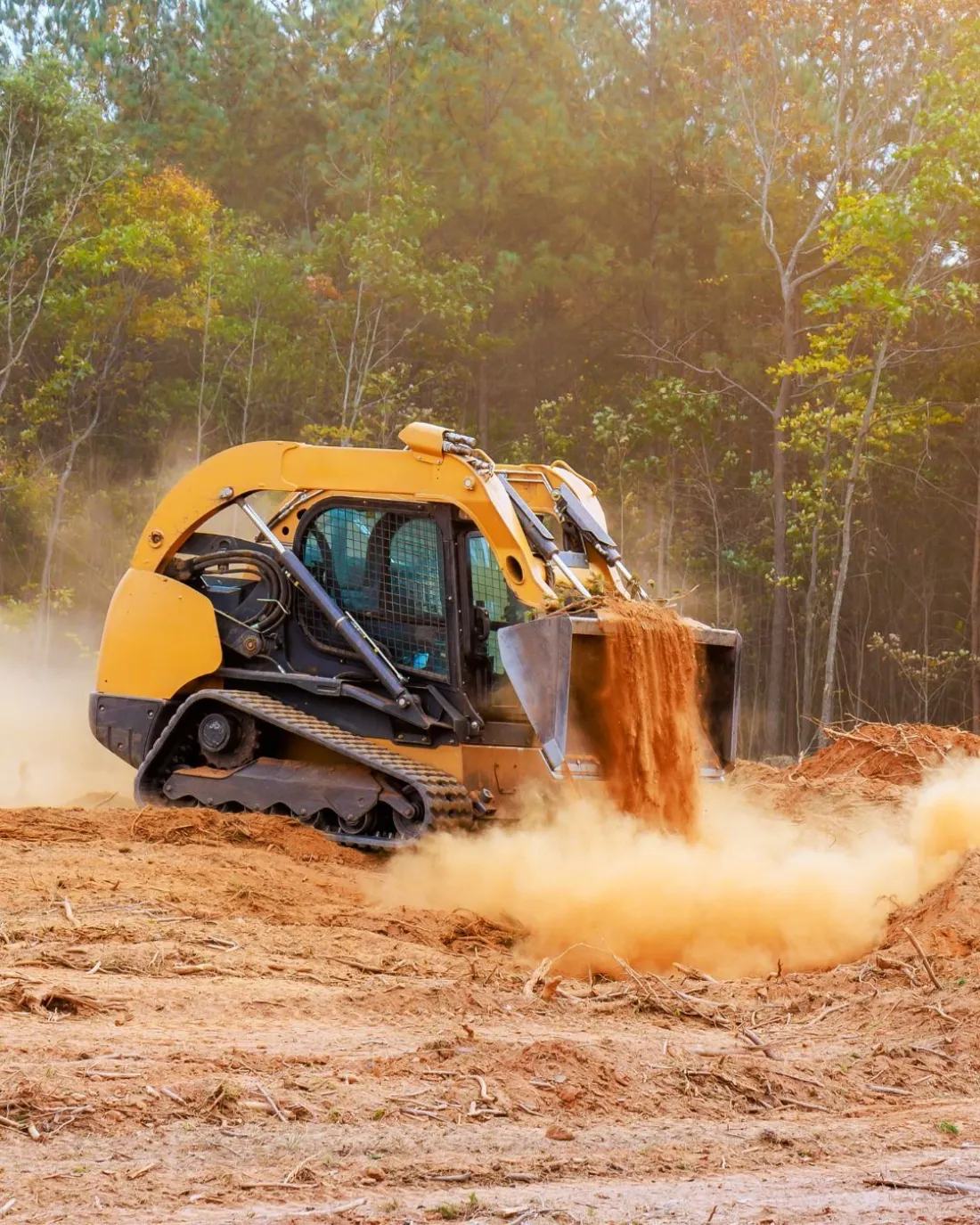
Brush, undergrowth, and small trees ground into a clean mulch layer on-site in a single pass, the low-impact way to clear Northshore land.
Learn More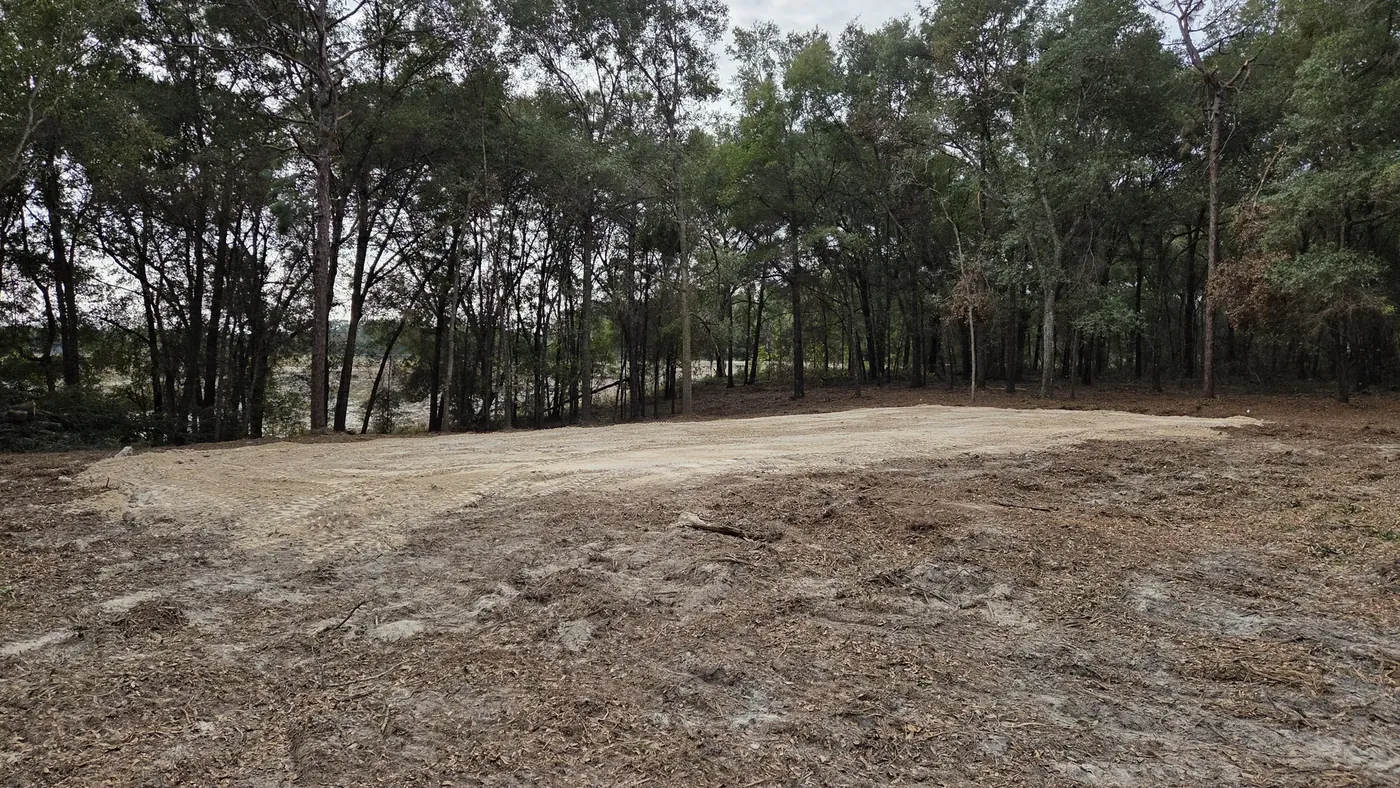
A house pad is the compacted dirt pad a slab home sits on. W2 Commercial Construction builds house pads across the Northshore and Greater New Orleans from Covington. Our service area covers Mandeville, Madisonville, Abita Springs, Lacombe, Slidell, Pearl River, Folsom, Hammond, Ponchatoula, Metairie, Kenner and New Orleans. We are a Louisiana State Licensed Contractor, LA State Lic# 78829, fully insured, with 20+ years on Northshore ground.
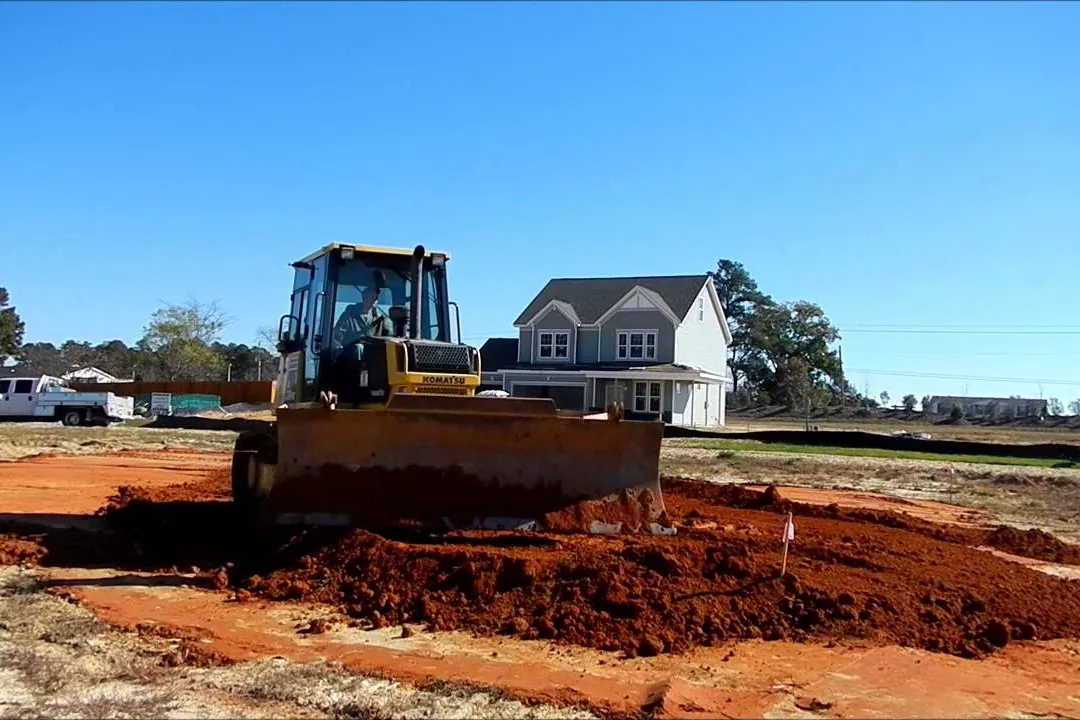
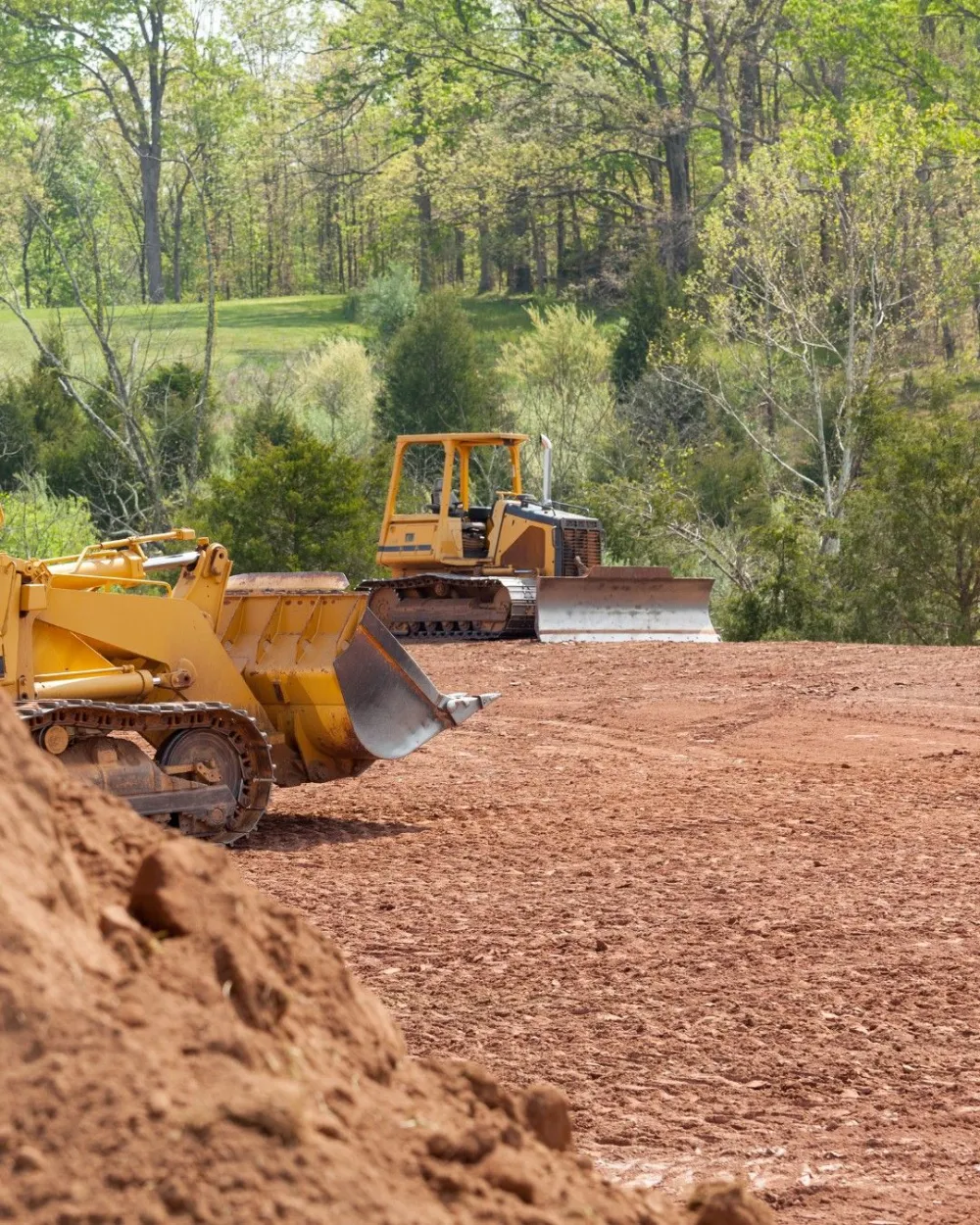
We clear and strip the footprint, then haul in clay fill with our own dump trucks. The fill goes down in layers, and each layer gets compacted before the next. We shape the side slopes and set the top to the height the survey calls for. From there we can pour the concrete slab, or the builder or installer takes the next step.
A house pad goes by other names, such as a dirt pad, a building pad or a slab pad. A 2025 St. Tammany Parish land use study names 2 ways to build a home in the floodplain. They are a slab home on compacted fill or an open pier or piling foundation. We build the dirt pad under the slab home, and the builder sets any pier or piling foundation.
Slab homes need a house pad, and so do shops, barns and mobile homes. A shop pad carries a slab floor the same way a house pad does. A mobile home dirt pad gives the installer firm, level ground to set the home on. Builders hire us for the dirt work, and so do property owners building on their own land. The pad is part of site preparation, and finish grading shapes the yard after the build.
House pad construction starts with land clearing, then we strip roots and topsoil off the footprint. Louisiana builds to the 2021 International Residential Code. It requires fill under a slab to be free of vegetation and foreign material. Our dump trucks bring in clay or select fill. It goes down in layers called lifts, and we compact each lift before the next.
The same code limits compacted fill under a slab unless deeper fill is approved. The limit is 24 inches for clean sand or gravel and 8 inches for earth. So the pad depth follows your approved plans, and we shape the top and side slopes to them. When a base course goes under the slab, the code sets it at 4 inches thick. Crushed stone and crushed concrete both qualify, and we produce recycled crushed concrete.
In unincorporated St. Tammany Parish, your flood zone sets the floor height. In zone X or D, the lowest habitable floor sits at least 12 inches above the street. The parish measures from the street centerline or top of curb, whichever is greater. In numbered A, AE and AH zones, the floor sits at least 12 inches above base flood elevation. Confirm your own lot with the parish, and inside Covington, Mandeville or Slidell city limits, ask the city.
Residential lots under 90 feet wide have a fill limit too. In zones A, AE, AO, AH, X or D, fill there can raise a home 24 inches at most. A home that must sit higher goes on piers, posts, piles or a stem wall, which the builder sets. The parish permitting director can allow more where the subdivision has an approved fill plan. We build to the survey, and a professional land surveyor certifies the height on a form board elevation certificate.
Pad volume is the footprint times the height, and it sets how many loads of fill dirt we haul. A cubic yard is 27 cubic feet, and HomeGuide puts a typical truckload at 10 to 14 cubic yards. Take a 40 by 60 foot pad, 2,400 square feet, built up 18 inches. That is 3,600 cubic feet, or about 133 cubic yards in place, roughly 10 to 14 truckloads. Built up 24 inches, the same pad takes about 178 cubic yards in place, roughly 13 to 18 truckloads.
Plan on more loose dirt than that, because fill packs down when it is compacted. Side slopes take dirt too, and the parish sets a taper on some narrow lots. That rule covers residential lots under 90 feet wide in zones A, AE, B, C and X. Where the subdivision lacks an approved drainage plan, pad fill tapers 1 foot down for every 2 feet out. A 24 inch side runs out about 4 feet from the foundation, and an 18 inch side about 3 feet.
Free, no-obligation estimates across the Northshore & Greater New Orleans.
(985) 966-2584From the first call to the final pass, here’s exactly how your project runs.
Call us or fill out the quick estimate form. We’ll talk through your land development, sitework, concrete, or fencing project and set up a time to look at the property.
We look over the site, assess the conditions, and recommend the right plan for your goals, timeline, and budget, with clear, upfront advice.
You get a detailed, no-surprise estimate and a schedule. Once you’re ready, we lock in your project date and stage the equipment and crew.
Our experienced team shows up on time and gets it done right: clearing, grading, pouring, or building with precision, care, and a clean job site.
Common questions about house pads across the Northshore & Greater New Orleans. Don’t see yours? Give us a call — we’re happy to help.
Brush, undergrowth, and small trees ground into a clean mulch layer on-site in a single pass, the low-impact way to clear Northshore land.
Learn More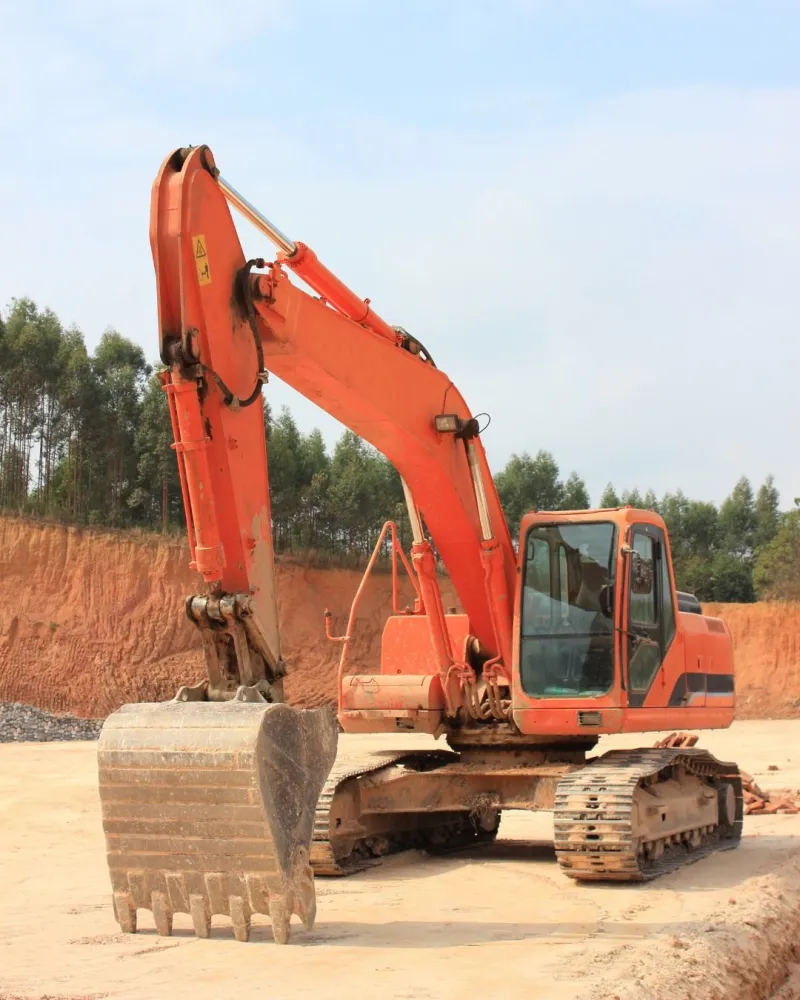
Digging, trenching, cut-and-fill, and pond work backed by heavy equipment and 20+ years on Northshore soil.
Learn More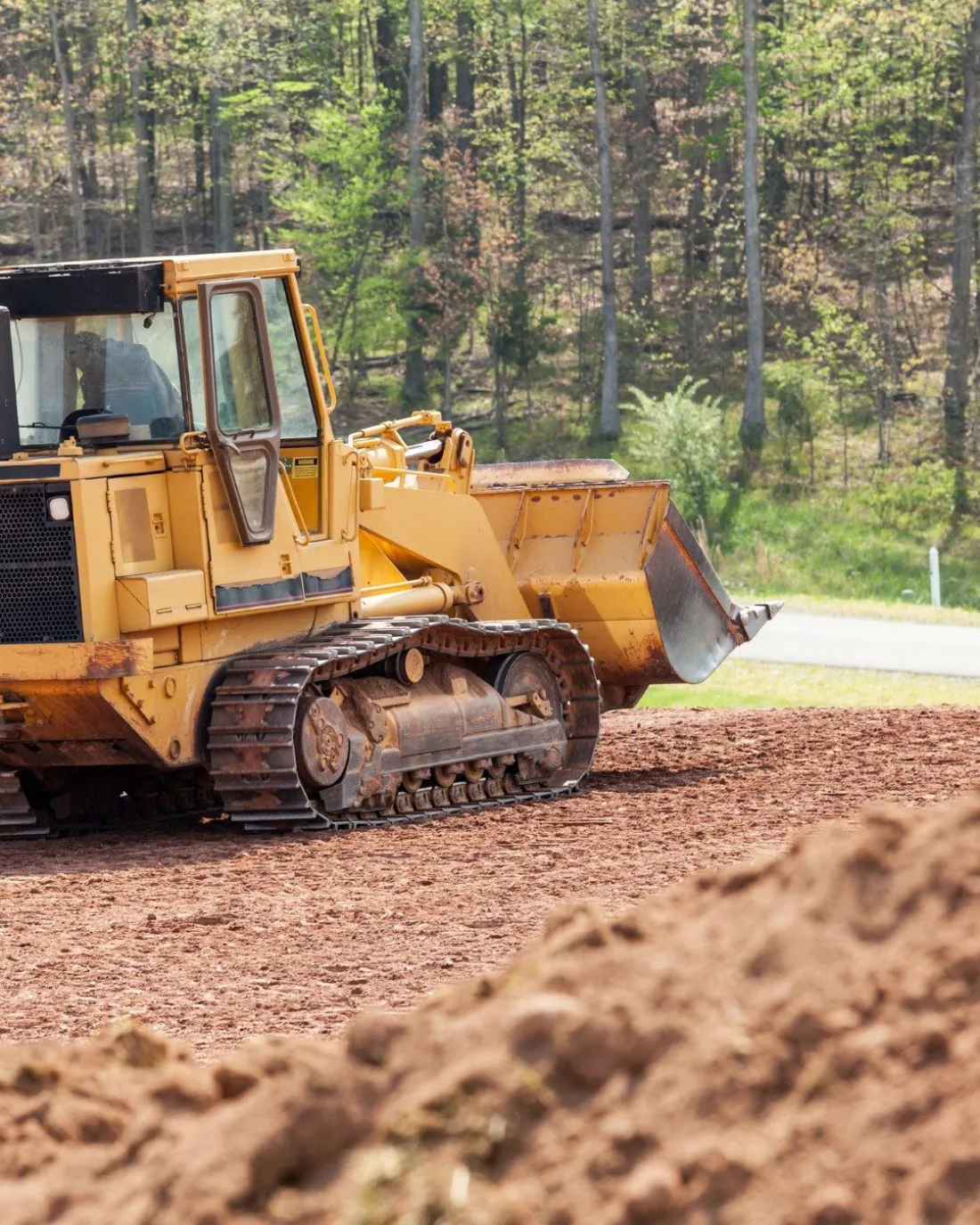
Land leveling, fill dirt, cut-and-fill, and finish grading that gives your project a stable base and water that drains the right way.
Learn More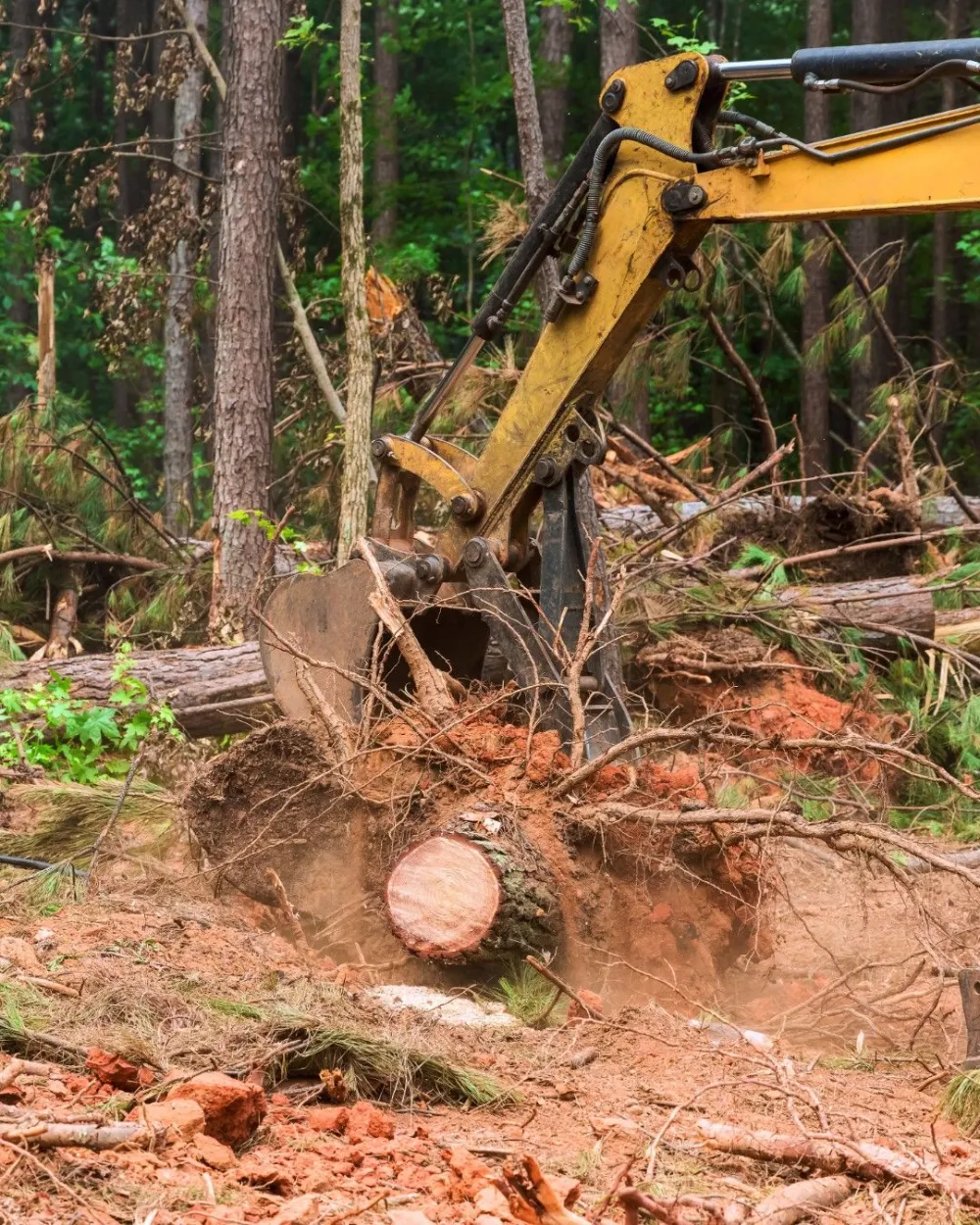
Stumps ground out below the surface and roots cleared, so you get back a clean, usable, build-ready spot.
Learn More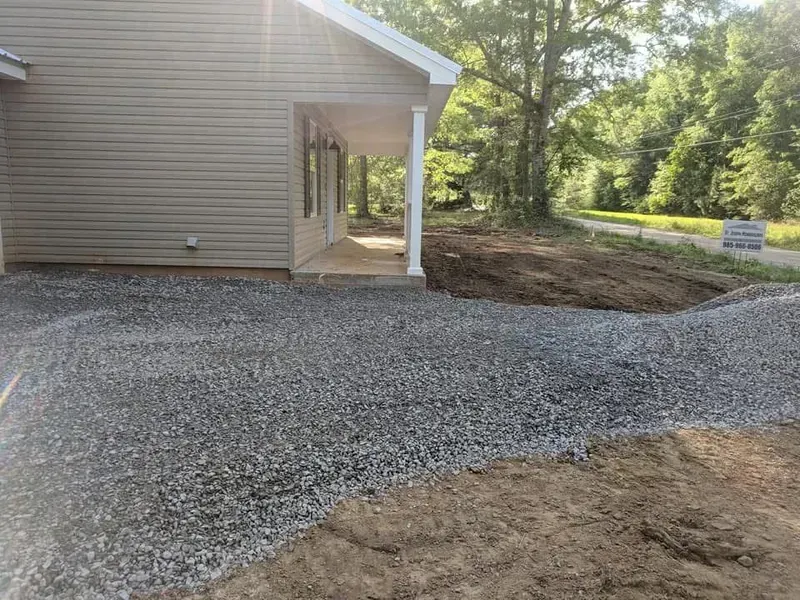
Lot prep, slab prep, soil stabilization, and drainage, for a stable, level, code-ready base under your build.
Learn More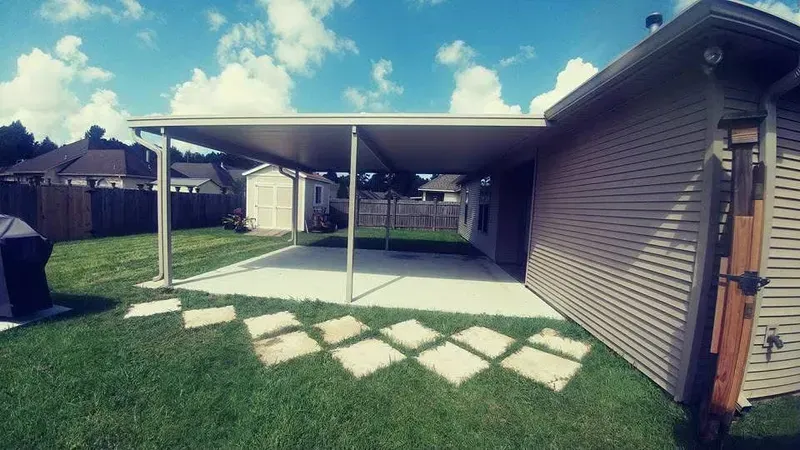
Driveways, slabs, foundations, parking lots, and stamped concrete: high-strength flatwork engineered for South Louisiana soil and climate.
Learn MoreTwo decades of hands-on work across the Northshore, from backyard fences to full commercial sitework. We’ve handled it, and we get it right.
A Louisiana State-Licensed Contractor (LA Lic# 78829), fully insured for your protection and peace of mind from day one.
Land development, sitework, concrete, fencing, and decking under one roof. We take your project from raw dirt to finished.
Reliable people doing careful work, with transparent pricing, clear communication, and a clean job site, every time.
Reliable, honest work — straight from the people we’ve built for.
“Excellent work provided by reliable and honest folks. Dane can take care of any excavation, landscaping or building job. Highly recommended!”
“Best fence work I’ve ever seen. Highly recommended — reasonable prices, great people!”
“Knowledgeable, professional and friendly guy. He and his crew did a great job on my fence and gates. The two six-foot gates he built are very sturdy.”
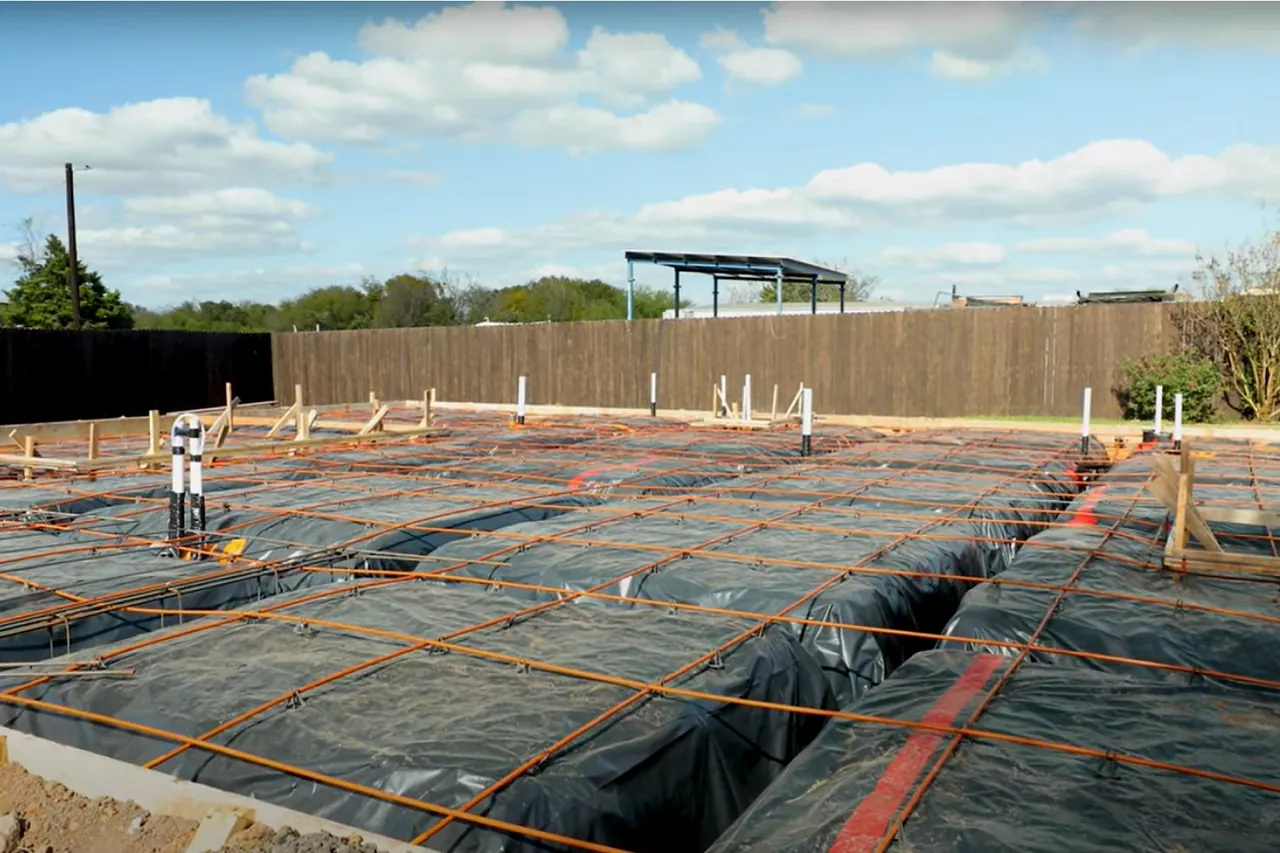
Do you need a permit for a house pad in St. Tammany Parish? The fill rules, floor heights by flood zone, the 90 foot lot limit and what to check first.
Read more →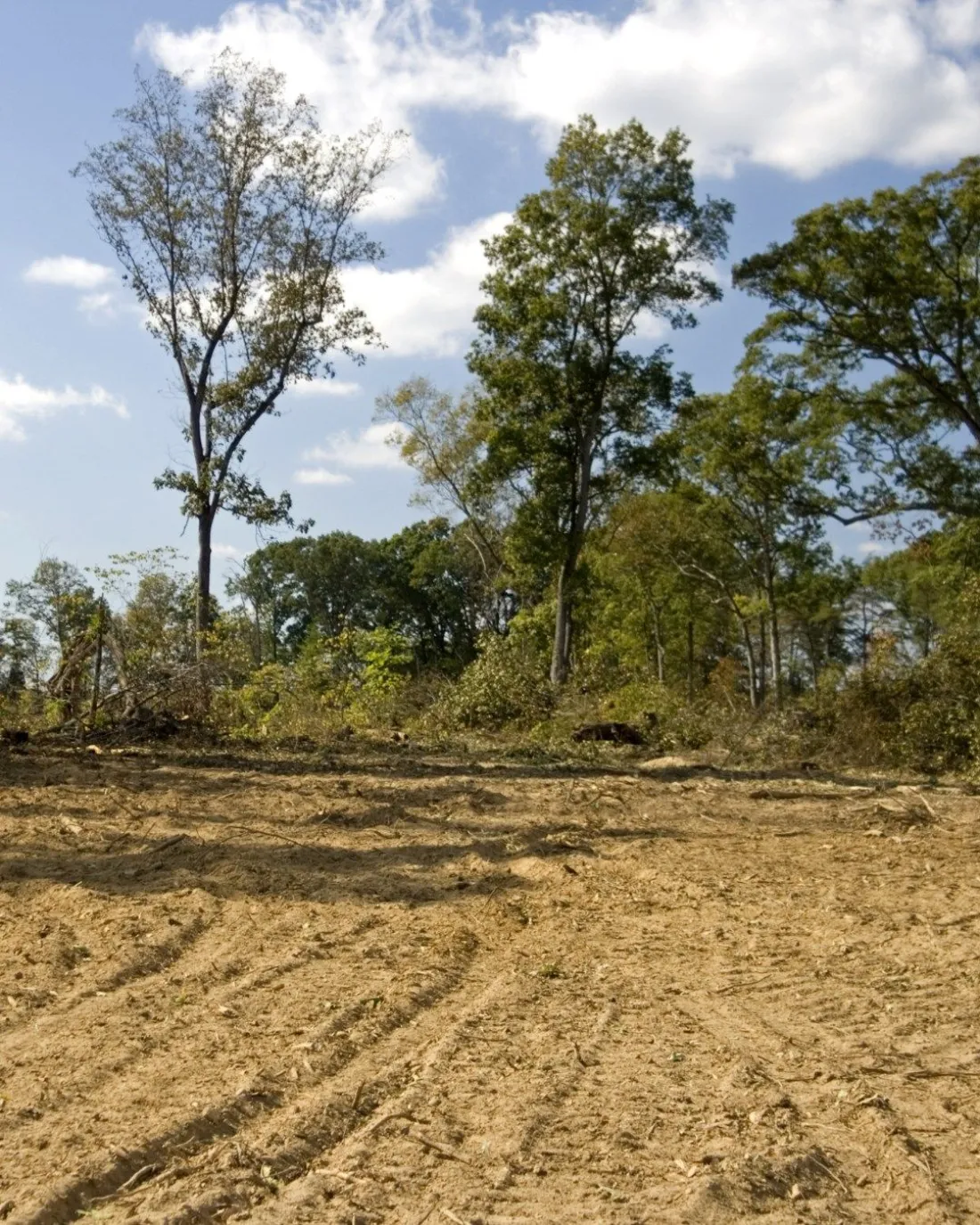
Do you need a land clearing permit in St. Tammany Parish? Which lots are exempt, what the application needs, the $250 fee, buffers, wetlands and fines.
Read more →Planning a land development, sitework, concrete, or fencing project on the Northshore? Reach out today for a free, no-obligation estimate — and see why local property owners make W2 their first call.