
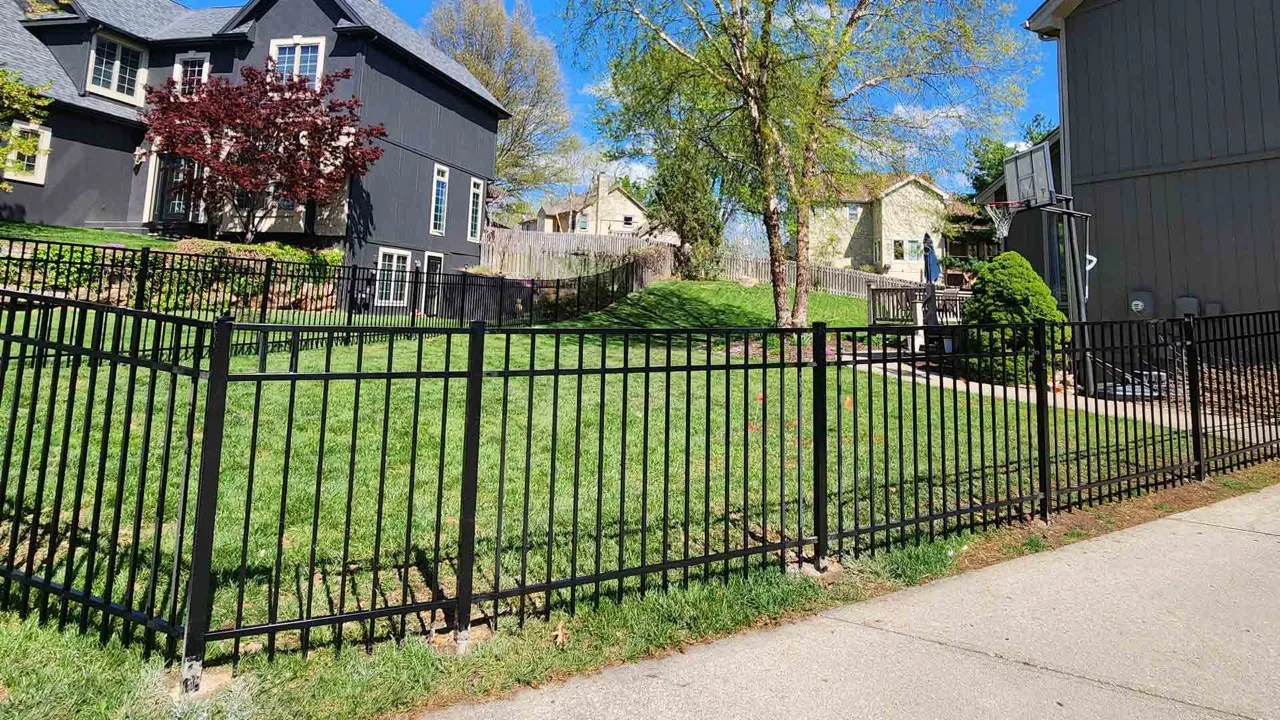
What is the best fence for Louisiana weather?
For the Gulf Coast, aluminum and vinyl hold up best. Aluminum shrugs off humidity and termites and handles wind well because its open pickets let the air through. Vinyl is nearly maintenance free and termite proof, though solid panels need strong posts to take a storm. Wood looks great and costs less, but Louisiana’s humidity, hurricanes, and Formosan termites are harder on it than almost anywhere in the country, so it needs the most care.
What Louisiana weather does to a fence
A fence on the Northshore fights three things a fence up north never deals with: Gulf hurricanes, year-round humidity, and the most aggressive termites in the country. Add clay soil and a high water table, and the wrong fence can warp, rot, or blow down years early. Here is how each material handles the local punishment.
| Material | Hurricane wind | Humidity and rot | Termites |
|---|---|---|---|
| Wood (solid) | Poor, catches wind like a sail | Rots, warps, molds | Vulnerable |
| Vinyl | Solid panels catch wind, reinforce the posts | Immune | Immune |
| Aluminum | Best, open pickets let wind through | Immune | Immune |
| Chain link | Excellent, open mesh passes wind | Won’t rot, coated lasts longest | Immune |
The right pick for your yard depends on which of these matters most, plus how much privacy you want. A good fence installation starts with that conversation, not just a price.
Hurricanes and high wind: let the wind through
The single rule for a storm-worthy fence is that it has to let wind pass. A solid fence acts like a sail. The wind has nowhere to go, pressure builds against the whole surface, and the posts snap or pull out of the ground. Fences with gaps let the air slip through, so there is far less force on the structure.
That is why chain link earned the nickname hurricane fencing, and why aluminum does well: the wind blows between the pickets. If you want a wood fence that still breathes, a shadowbox or spaced-picket design alternates the boards so you keep most of your privacy while letting wind through.
If you want a solid privacy fence, wood or vinyl, you can still build it to survive, but the install is what saves it. Set the posts about a third of their length into the ground, in concrete footings, and tighten the spacing between posts so each one carries less load. Corners, ends, and gates are where fences fail first, so those get the most attention.
Humidity and rot
Louisiana’s heat and humidity sit on a fence all year. Wood absorbs that moisture, swells, then dries and shrinks, which leads to warping, cracking, and rot. Untreated or poorly sealed wood can show real damage in just a few years. Vinyl and aluminum do not absorb water at all, so they simply do not rot. Bare steel rusts fast in this air, so if you go with chain link, the vinyl-coated kind holds up better than plain galvanized.
Termites: the Louisiana problem nobody warns you about
This is the big one, and it is where the Northshore is genuinely different. The LSU AgCenter calls the Formosan subterranean termite one of the most destructive insects in Louisiana. These termites cause around $500 million in damage a year statewide, with about $300 million of that in the New Orleans area alone, and their colonies are the largest of any termite in North America. They do not stop at houses. LSU lists fence posts among the wooden structures they attack.
What that means for your fence is simple. Wood is the only common fence material termites can eat. Vinyl, aluminum, steel, and concrete give them nothing. If you love the look of a wood fence, the way to protect it here is to keep the wood off the soil and set it on metal or concrete posts, since the posts in the ground are what the termites reach first.
Wet clay and a high water table
Most of St. Tammany Parish sits on clay with water close to the surface. Clay swells when it is wet and shrinks when it dries, which works fence posts loose over time, and standing moisture rots wood posts and traps water against anything set in concrete. The fix is in the install: dig deeper, add a gravel base under the post so water drains away, and use metal posts in the wettest spots. Done right, this is what keeps a Northshore fence standing straight instead of leaning after a couple of rainy seasons.
So what is the best fence for the Northshore?
It comes down to what you care about most:
- Best all around: aluminum or vinyl. Both beat humidity and termites outright, and aluminum handles wind beautifully.
- Best for hurricanes: open designs, aluminum or chain link, or a shadowbox wood fence, on deep, closely spaced posts.
- Best for termites and rot: anything but bare wood, or wood on metal or concrete posts.
- Best for privacy: solid vinyl or a board-on-board wood fence, built with reinforced posts for the wind.
- Best for budget: chain link, which is also excellent in wind. Pressure-treated wood is the cheaper privacy option if you accept the upkeep.
For most Northshore yards, aluminum or vinyl gives you the least to worry about. If you want help weighing the look you want against the climate, our fence material comparison lays the options side by side, and our fence cost guide shows what each runs.
FAQ
What type of fence is best for high winds? Open fences that let wind pass through. Chain link is literally nicknamed hurricane fencing, and aluminum holds up well because wind blows between the pickets. A shadowbox or spaced-picket wood fence beats a solid privacy fence for the same reason. A solid wood or vinyl privacy fence catches wind like a sail, so it needs deep, closely spaced posts to survive a storm.
What is the most hurricane resistant fence? An open metal fence, chain link or aluminum, set on deep concrete footings. Metal is rigid and rust resistant, and the open design lets wind through instead of fighting it. The material matters less than the install: deep posts, tight spacing, and solid footings are what keep a fence standing in a Gulf storm.
How do you secure a fence in high winds? Set the posts deep, about a third of the post length, in concrete footings, tighten the post spacing, and pick a design with gaps so wind passes through. On a solid fence, closer posts and deeper footings spread the load. Keep up with maintenance too, since loose fasteners and leaning posts are where storm damage starts.
Do termites really eat fences in Louisiana? Yes. The LSU AgCenter calls the Formosan subterranean termite one of the most destructive insects in Louisiana, and it attacks fence posts along with houses. Wood is the only common fence material termites eat. Vinyl, aluminum, steel, and concrete give them nothing, which is why many Northshore owners go with those or at least use metal posts.
What fence lasts longest in Louisiana’s humidity? Vinyl and aluminum, because neither rots, warps, or rusts in the heat and moisture. Quality composite holds up well too. Wood can last if it is cedar or pressure treated and you seal it every few years, but the humidity, rain, and termites here are hard on it, so plan on more upkeep.
Build it once, build it for the climate
The fence that lasts on the Northshore is the one built for our weather and set in our soil. W2 Commercial Construction installs fences across Covington, Mandeville, Slidell, and the Northshore that are matched to the wind, humidity, and termites here. Ask for a free estimate and we will walk your yard and recommend the fence that will still be standing straight in ten years.